
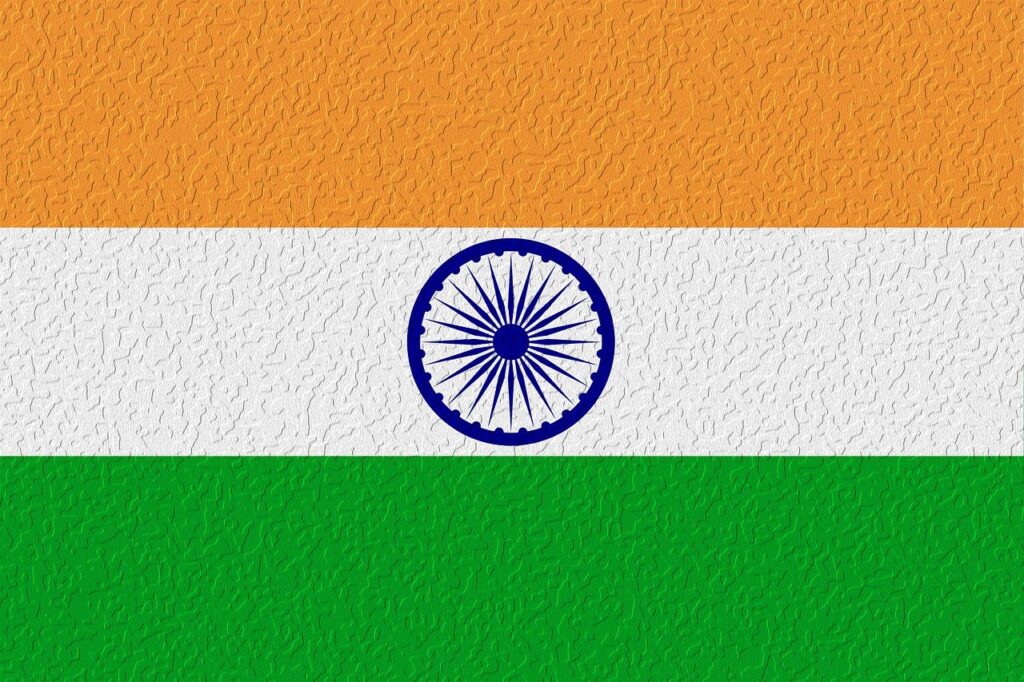
Current Situation Overview : Indo – Pak Conflict
In April 2025, a brutal terrorist attack in Pahalgam, Jammu & Kashmir, led to the deaths of 26 civilians, sparking outrage across India. The Indian government accused Pakistan-based militant group Jaish-e-Mohammed (JeM) of carrying out the attack. In retaliation, India launched a precision military operation named Operation Sindoor on May 7, targeting terrorist camps inside Pakistan and Pakistan-occupied Kashmir using drones and missiles.
Pakistan responded by launching drone strikes across Indian border regions, leading to a rapid escalation along the Line of Control. Both sides engaged in intense cross-border shelling, with airspace violations reported. Although active fighting has now paused due to a U.S.-brokered ceasefire on May 10, tensions remain high across the region.
Extra Reference :
💥 Impact of the Indo – Pak Conflict
- Civilian Casualties: Over 50 civilians have lost their lives due to the violence, including drone strikes and artillery shelling.
- Mass Displacement: Thousands of residents near border areas in Jammu, Kashmir, Punjab, and Rajasthan have been evacuated or displaced.
- Infrastructure Disruption: Several airports in North and West India were shut down. Communication lines and public transport services were temporarily suspended.
- Economic Effects: Major public events like the IPL have been suspended, trade routes have been disturbed, and water-sharing tensions flared after India hinted at reconsidering the Indus Waters Treaty.
- Psychological Toll: Constant sirens, blackouts, and fear of further attacks have led to mental distress, particularly among families living near the border.
🛡️ Public Safety Advice
- Remain Updated: Follow government bulletins and verified news sources for real-time alerts.
- Avoid Border Areas: Non-essential movement should be avoided in conflict-prone zones.
- Prepare for Emergencies: Keep an emergency kit with water, food, and medications ready.
- Seek Shelter: Use designated government shelters during shelling or missile alerts.
- Mental Health Support: Contact helplines if you or your family are facing trauma-related stress.
🌐 Global Response
- The United States stepped in diplomatically to help de-escalate the crisis.
- China urged restraint and offered to mediate.
- The United Nations called for immediate peace talks and civilian protection.
🛡️ War Emergency Safety Advisory: Indo-Pak Conflict 2025
As the situation between India and Pakistan intensifies, it is crucial for civilians—especially those near the borders—to remain calm, informed, and safe. Below are urgent and practical safety measures every individual and family should follow during this conflict:
🚫 1. Stay Away from Border Areas
- Avoid traveling to or staying in regions close to the India-Pakistan border, including Jammu & Kashmir, Punjab, Rajasthan, and Gujarat, as these areas are more likely to face drone strikes, shelling, and evacuations.
- Follow government announcements about restricted or high-risk zones.
🪖 2. Follow Instructions from the Military and Authorities
- Pay close attention to directions given by the Army, BSF, NDRF, and local police.
- Cooperate with military evacuation or rescue teams — they are trained to ensure your safety.
3. Seek Shelter in Government or NGO Facilities
- In case of displacement or danger, move to government schools, relief camps, or shelters set up by NGOs.
- These places often provide food, basic medical aid, and secure lodging during emergencies.
🧭 4. Travel to Safer Locations If Possible
- If you’re in a high-alert zone, consider temporarily relocating to safer cities or villages away from the conflict zones.
- Use verified transportation and stay updated on route conditions to avoid blocked or unsafe roads.
5. Avoid Crowds and Public Conflicts
- Stay away from protest sites, large gatherings, or emotionally charged areas that could attract violence or misinformation.
- Keep a low profile and maintain calm in tense situations.
6. Keep Your Belongings Safe and Ready
- Prepare an emergency bag with:
- ID cards, important documents
- Cash, medicines, water bottles
- Basic clothes and hygiene items
- Keep it accessible at all times in case of sudden evacuation.
7. Stay Informed and Communicated
- Follow official news channels, radio alerts, and government apps like NDMA, MyGov, or emergency Twitter handles.
- Inform close family members about your location and plans regularly.
8. Evacuate Calmly and Smartly
- Do not rush or panic during evacuations — listen to instructions from officials.
- Use only authorized buses, trains, or emergency vehicles. Avoid rumors about evacuation routes.
- Evacuating away from Bordered states & going towards inner parts of Indian states is also a good idea.
🙏 9. Utilize Community Support like Temples, Mosques, or Churches
- Religious places and community centers often open their doors for emergency shelter and food.
- These places can offer emotional and spiritual comfort during distressing times.
💛 10. Stay Calm and Help Others
- Do not spread fear or false information. Be a source of support for the elderly, children, and neighbors.
- Encourage kindness and patience — your actions may save lives.
⚠️ Final Note
This is a time to act with caution, unity, and courage. Your safety and the safety of your family depend on being prepared, informed, and cooperative with authorities. I hope other states of India are also ready to support citizens who are affected during this war.
Concluding the Article : What We Expect Going Well during this War Conflict
Collaborative Efforts for Civilian Safety and Effective Evacuation
In the wake of escalating tensions between India and Pakistan, citizens are hoping that both nations can find peaceful solutions swiftly. However, it is essential to address the immediate needs of affected civilians and facilitate an effective and coordinated evacuation process. To ensure the safety of individuals, the following strategies should be emphasized by both governments and supporting agencies:
Role of Police and Disaster Management Teams
- Law Enforcement: Police forces, along with military and paramilitary agencies, should actively patrol vulnerable areas to prevent looting, violence, and confusion during evacuations.
- Disaster Management: Teams from organizations like the National Disaster Management Authority (NDMA)must be deployed to provide relief, transport evacuees, and assist in crowd control, ensuring that people evacuate in an orderly and safe manner.
- Rapid Response: Special disaster response units should be on standby to manage situations in urban and rural areas, offering immediate medical aid, evacuation assistance, and shelter arrangements.
NGOs and Religious Institutions: A Critical Role in Evacuation
- NGO Involvement: Non-governmental organizations (NGOs) such as Red Cross, UNHCR, and local relief bodies should be enlisted for their expertise in providing humanitarian aid and coordinating evacuations.
- Evacuation Assistance: NGOs should establish temporary shelters in safe zones, and help transport people to secure locations away from conflict areas.
- Food, Medicine, and Comfort: NGOs must ensure the availability of food, water, and medical supplies, particularly for vulnerable groups (elderly, children, and the sick).
- Religious Institutions: Temples, mosques, churches, and other religious establishments should be encouraged by the government to play an active role in offering refuge and resources to displaced families.
- Shelter and Food: Government advisories can direct religious organizations to provide shelter, food, and emotional support.
- Spiritual Guidance: In times of conflict, these institutions can offer solace and calm to affected citizens, helping reduce panic and stress.
Optimizing Government Facilities for Relief
- Effective Use of Shelters: Government buildings, schools, community centers, and public halls should be repurposed as emergency shelters for displaced citizens. These facilities must be equipped with basic needs like food, water, and medical care.
- Coordination for Optimal Utilization: A centralized government body should be set up to ensure the smooth operation of these facilities, prioritizing areas that are hardest hit by the conflict.
🌍 Collaboration with Global Organizations (UNHCR, etc.)
- Better Communication with UNHCR: International organizations like UNHCR (United Nations High Commissioner for Refugees) have extensive experience in managing refugee crises and providing shelter, healthcare, and emergency relief.
- Government Partnerships: A strong partnership between the government and international organizations is crucial to creating seamless evacuation routes, providing temporary refugee shelters, and distributing relief across affected areas.
- Coordination is Key: Ensuring open channels of communication between national and international agencies will help reduce confusion, allowing for more timely and effective evacuation processes.
🌐 Public Awareness and Communication
- Governments should make use of social media, emergency apps, and local radio stations to disseminate critical evacuation information, including the locations of shelters, evacuation routes, and safety guidelines.
- Regular updates from military and disaster management forces should be shared with the public to reduce uncertainty and provide guidance on how to act during emergencies.
⚠️ Final Thoughts on Safety and Cooperation
While military action plays a pivotal role in national defense, it is the coordinated efforts of the police, disaster management agencies, NGOs, religious institutions, and government bodies that will ensure the safety and well-being of civilians during this crisis. Citizens should stay calm, remain informed, and cooperate with the evacuation plans to minimize harm and facilitate a safer journey to refuge.
By working together and supporting each other, India and Pakistan can address immediate humanitarian needs while continuing efforts for a peaceful resolution.
I hope you & many other citizens find better peace & safety during this War conflict between India & Pakistan. Stay Safe
More Reading :
Stocks : European Oil & Gas Companies Stocks Analysis
Sports : Cherishing Arjen Robben & Netherlands : One of the Best Footballing Teams Ever